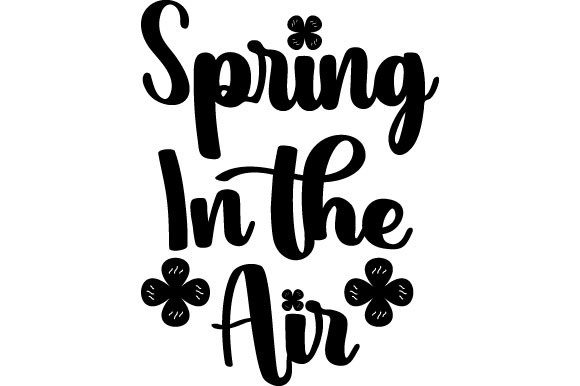
Calligraphy Quote Spring in Air Review
As a designer who spends more time staring at stitch density charts and stabilizer options than actually sleeping, I approach every new embroidery file with a healthy dose of skepticism. The market is flooded with generic clip art that looks like a mess once the needle starts punching through fabric. That is why when I came across Calligraphy Quote Spring in Air, I decided to put it through its paces. This isn’t just another decorative element; it is a design asset that demands a closer look for anyone looking to elevate their craft business or personal projects.
The product falls under the categories of Crafts and Graphics, but in the world of machine embroidery, those labels only tell half the story. What matters is how the vector shapes translate into thread. Calligraphy Quote Spring in Air arrives as an editable AI, PDF, and EPS file, which immediately signals to me that this is meant for customization. For the Etsy seller or the small shop owner, editability is not a luxury; it is a necessity. It allows you to tweak lettering, adjust spacing, or resize elements to fit specific custom apparel requirements without losing resolution.
First Impressions: Mood and Visual Personality
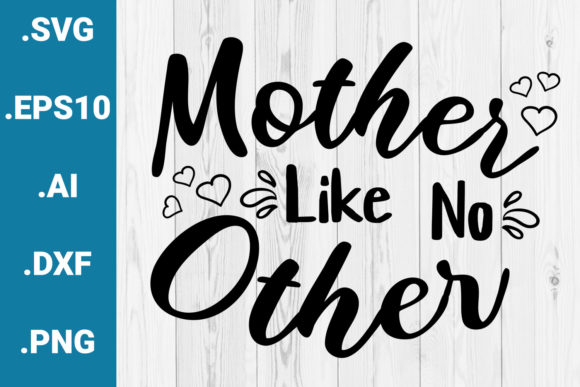
The name itself suggests lightness, optimism, and a touch of whimsy. Visually, the design delivers on that promise. The first thing I noticed was the clean shape of the calligraphy. In embroidery, "clean" is code for "stitchable." If the curves are too erratic or the lines too thin, the machine will either break thread or create a muddy blob of color. Calligraphy Quote Spring in Air features amazing details that seem deliberate rather than chaotic. It has a visual personality that feels airy yet grounded, making it suitable for a wide range of applications.
The mood it creates is one of springtime renewal. It does not scream for attention like a bold graphic tee design; instead, it whispers elegance. This makes it an excellent choice for personalized gift items where subtlety is preferred over loud statements. When I looked at the layout, I imagined it perfectly suited for a nursery decor item or a boutique branding tag. The balance between negative space and filled areas suggests that it will hold up well against various fabric textures, provided the right setup is used.
Real-World Application: From Screen to Stitch
Let’s talk about real use. I recently needed a design for a custom embroidered tote bag for a client who wanted something sophisticated but not overly formal. Calligraphy Quote Spring in Air was my top contender. Why? Because tote bags often suffer from designs that are too dense or too small to be legible after repeated washing. The clean lines of this design ensure that even if the bag takes a beating, the aesthetic remains intact.
I also considered using it for sweatshirt embroidery. Hoodies and crewnecks are staples in any handmade product line. However, sweatshirts have a textured surface that can distort fine details. The fact that this design includes editable files means I could slightly thicken the stroke weight before converting it to a digitized format, ensuring the satin stitch edges remained crisp against the fleece. For aprons and kitchen towels, the design offers a charming focal point that doesn’t overwhelm the utility of the garment.
Another scenario where this shines is in holiday embroidery. While the title says "Spring," the elegant script nature of the design is versatile enough for other seasons if paired with appropriate thread colors. Imagine it in soft pastels for Easter, vibrant greens for Earth Day, or even gold thread on black fabric for a festive holiday accent. Its adaptability increases its value as a design asset for creators who need reliable templates for seasonal collections.
Where Caution Is Required
No design is perfect for every situation, and Calligraphy Quote Spring in Air is no exception. There are specific contexts where you must exercise caution. First, consider small hoop sizes. If you attempt to digitize this for a very small area, such as a child’s sock or a tiny pocket square, the "amazing details" might get lost. Fine calligraphy requires enough space for the running stitch and fill stitch transitions to breathe. If the detail is too small, it becomes indistinguishable clutter.
Secondly, stretchy fabric poses a challenge. Calligraphy relies on precise geometry. Stretch fabrics like jersey knits can distort that geometry during the stitching process, causing letters to warp or slant. Always test on a scrap piece of the exact same fabric type. Similarly, textured fabrics like heavy wool or boucle can hide the nuances of the design. The needle may struggle to penetrate evenly, leading to inconsistent tension.
Dense stitch areas should also be monitored. If the design uses a high concentration of thread in a small space, it can become stiff and uncomfortable to wear, especially on baby clothes or delicate pillow covers. Check the stitch density carefully. If it feels too heavy, consider simplifying the design by removing some of the smaller decorative accents or reducing the size of the fill stitches.
Impact on Product Value and Brand Consistency
Using a high-quality, editable design like Calligraphy Quote Spring in Air directly impacts customer trust. Buyers of commercial embroidery products are savvy. They can tell the difference between a mass-produced, low-resolution print and a well-executed embroidered piece. Clean shapes and professional detailing signal quality. When a customer receives a personalized gift with sharp, clear stitching, they perceive higher value and are more likely to leave positive reviews or return for future purchases.
For digital product sellers, this design serves as a strong foundation for creating printable mockups. You can showcase the design on various backgrounds—light linen, dark denim, white cotton—to demonstrate its versatility. This helps potential buyers visualize how it would look on their own projects, increasing engagement and conversion rates. Furthermore, because it is editable, you can maintain brand consistency across your entire product line by adjusting fonts or colors to match your specific palette while keeping the core structure recognizable.
Practical Designer Notes for Success
Before you rush to digitize and stitch, follow these practical steps to ensure success:
- Test on Scrap Fabric: Never assume a design will work on your final material. Use scraps of the actual fabric you plan to sell or use. This reveals issues with puckering, transparency, or texture interference early.
- Check Thread Color Contrast: The beauty of calligraphy lies in its contrast. Ensure the thread color stands out clearly against the background fabric. On dark fabrics, lighter threads work best; on light fabrics, darker or metallic threads add definition.
- Review Stitch Density: Inspect the design for areas where stitches might overlap excessively. High density can cause bulkiness. Adjust the settings if necessary to maintain comfort and flexibility.
- Confirm Hoop Size: Ensure the design fits within your standard hoop sizes. If it is larger, you may need to split the design or use a multi-hooping technique, which adds complexity and time.
- Inspect Small Details: Zoom in on the digital file. Are the serifs distinct? Are the connecting lines thick enough to stitch cleanly? If details are too fine, simplify them in the AI or EPS file before digitizing.
- Use Proper Stabilizer: The choice of stabilizer is critical. For stretchy fabrics, use cut-away stabilizer. For woven fabrics, tear-away may suffice. Incorrect stabilization leads to misalignment and poor finish.
- Verify Licensing: Before selling finished items or including this in a digital embroidery file pack, double-check the licensing terms. Some designs allow commercial use of the finished product but prohibit resale of the digital file itself.
In conclusion, Calligraphy Quote Spring in Air is a versatile, high-quality design that offers significant potential for both hobbyists and professionals. Its clean aesthetic and editable nature make it a valuable addition to any designer’s toolkit. By understanding its strengths and limitations, you can create stunning embroidered patch items, beautiful tote bag design accessories, and memorable gift products that stand out in a crowded marketplace. Just remember: preparation and testing are the keys to turning a good design into a great finished product.