Baby Bodysuit Design Svg Review
As a designer who spends half my day staring at stitch density charts and the other half worrying about whether a customer will actually love the finished piece, I approach every new digital asset with a mix of optimism and skepticism. When I first pulled up Baby Bodysuit Design Svg, my immediate reaction wasn’t just about the cute factor—though that is certainly present—but about how this design would translate from a screen to a hoop. We all know the gap between a crisp vector preview and the reality of thread on fabric can be wide. This review breaks down exactly where this file shines, where it might trip you up, and whether it deserves a spot in your commercial library or personal stash.
First Impressions: Mood and Visual Personality
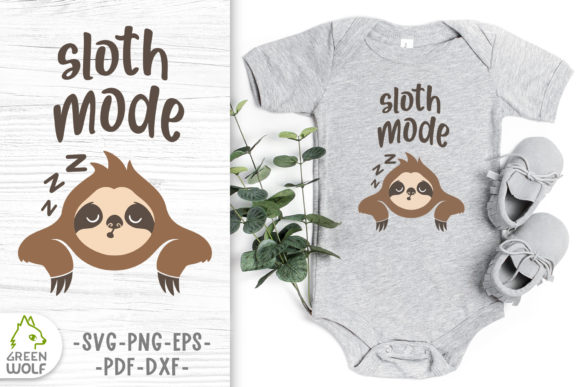
The moment you see the sleeping sloth paired with the "Sloth mode" quote, there is an instant recognition of the target audience. It taps directly into the modern parent’s desire for humor, comfort, and relatability. The visual personality here is soft, relaxed, and undeniably cozy. For an embroidery project, this mood is crucial because it dictates the stitching style. You aren’t looking for aggressive, high-contrast geometric patterns here; you are looking for something that feels gentle enough for a newborn but playful enough to make a toddler smile.
From a layout perspective, the inclusion of the layer preview in the second image was a smart move by the creator. Seeing how the elements break down helps me visualize the construction process. A design that separates the text from the graphic allows for better balancing on small canvases like bodysuits or caps. It suggests a design that respects the negative space, which is often where beginners go wrong by overcrowding the hoop.
Real-World Application: From Hoop to Hand
I decided to put this design through its paces by imagining it in three distinct scenarios: a boutique baby gift set, a custom Etsy listing for personalized onesies, and a larger statement piece like a sweatshirt. In each case, the performance of the machine embroidery design varies slightly, but the core appeal remains strong.
For baby embroidery projects, this design hits the sweet spot. The sloth motif is universally liked, and the "Sloth mode" text adds a touch of wit that parents appreciate. When stitched onto a soft cotton bodysuit, the design needs to feel integrated, not pasted on. If executed correctly, with proper stabilizer support, the result looks professional and high-end. It elevates a simple garment into a personalized gift that feels curated rather than mass-produced.
However, let’s talk about sweatshirt embroidery. While the description mentions t-shirts, the scale of a sloth design might get lost on a large chest area unless the file is scaled up significantly. If you are scaling it up, you need to be very careful about stitch density. Large fill areas on thick fabrics like fleece or heavy cotton blends can cause puckering if the underlay stitches aren’t robust enough. This is where checking the actual file structure becomes critical before you commit to a full production run.
The Tote Bag and Patch Potential
One unexpected but viable use case for this design is as an embroidered patch. Because the sloth shape is contained and relatively simple, it translates well when cut out and applied to denim jackets or canvas tote bag design variations. The contrast between the structured patch edge and the organic sloth shape creates a nice visual tension. Similarly, using this as a focal point on a kitchen towel or apron could work for a nursery-themed decor line, though the color palette would need to shift away from traditional baby pastels to something more rustic or neutral.
Where to Exercise Caution
No design is perfect, and being honest about limitations is part of being a responsible reviewer. There are specific situations where Baby Bodysuit Design Svg requires extra attention.
- Small Hoop Sizes: If you are working in a 4x4 inch hoop, the text might become cramped. Tiny lettering is notoriously difficult to read once stitched, especially if the font has thin lines. Always test the text legibility at the final size.
- Textured and Stretchy Fabrics: Embroidering on ribbed cuffs or highly textured knits can distort the design. The sloth’s smooth curves might warp if the fabric isn’t stabilized properly. Use a cut-away stabilizer for stretchy materials to prevent distortion during wear and washing.
- Dense Stitch Areas: If the fill stitch on the sloth’s body is too dense, the fabric underneath may show through, or the needle may struggle to penetrate, leading to skipped stitches. This is particularly risky on dark fabrics where thread sheen can highlight imperfections.
- Curved Surfaces: Attempting to embroider this flat design directly onto a curved cap without a specialized hoop or backing can result in a misshapen final product. It is best suited for flat surfaces like bodysuits, bags, or pillow covers.
Practical Designer Notes for Execution
Before you upload this file to your machine and start producing handmade products, there are several technical checks I recommend performing. These steps separate the amateur results from the professional-grade output that customers expect.
- Test on Scrap Fabric: Never assume the colors will look right on your final material. Test the thread colors on the exact fabric you plan to sell. What looks like a soft gray on screen might appear muddy or too bright in person.
- Check Stitch Density: Look closely at the stitch density in the file. If the design relies heavily on satin stitches for outlines, ensure they are balanced so they don’t pull the fabric too tightly. For fill areas, consider adding a tear-away stabilizer underneath if the base fabric is delicate.
- Black and White Mockups: Convert your digital mockup to black and white. This helps you assess the contrast and balance of the design without the distraction of color. If the shapes merge together in grayscale, the design might lack clarity in real life.
- Stabilizer Selection: The choice of stabilizer is just as important as the design itself. For a bodysuit, a lightweight cut-away or a wash-away backing might be ideal to maintain softness. For a tote bag, a heavier cut-away provides necessary structure.
- Licensing Verification: If you intend to sell the finished items, double-check the license terms. Ensure you have the right to sell physical goods made from this digital embroidery file. Some creators restrict commercial use or require attribution.
Final Verdict: Does It Add Value?
Ultimately, Baby Bodysuit Design Svg is a solid addition to any crafter’s library, particularly those focused on the baby and nursery niche. Its strength lies in its emotional resonance—it’s cute, funny, and marketable. For the Etsy seller or small shop product owner, it offers a low-risk, high-reward item that appeals to a broad demographic.
However, success depends entirely on execution. The design itself is user-friendly and easy for beginners, but the magic happens in the details: the choice of thread, the quality of the stabilizer, and the precision of the hoop placement. If you treat it as a starting point for a polished, professional finished product, rather than just a quick stitch-out, this design will serve you well. It fits seamlessly into a brand strategy centered on comfort, humor, and handmade care. Just remember to test, adjust, and always prioritize the tactile experience of the final garment over the visual perfection of the digital file.