Happy Friday Quote Embroidery Review
As a designer who spends half my life staring at stitch density charts and the other half worrying about how a design will hold up after twenty wash cycles, I don’t just buy embroidery files—I vet them. When Happy Friday Quote landed in my inbox as part of a new batch of Graphics for the Crafts category, my first instinct was skepticism. The market is saturated with "happy" typography designs, and many of them fall apart when scaled or stitched on anything other than perfect cotton canvas.
However, after pulling this vector file into Adobe Illustrator, testing its scalability, and running a preliminary stitch simulation, I found myself genuinely impressed by the practicality of this asset. This isn't just another decorative clipart; it’s a functional machine embroidery design concept that understands the constraints of real-world production. Below is my honest breakdown of how Happy Friday Quote performs in actual project scenarios, where it shines, and where you need to be careful.
The First Impression: Mood and Layout
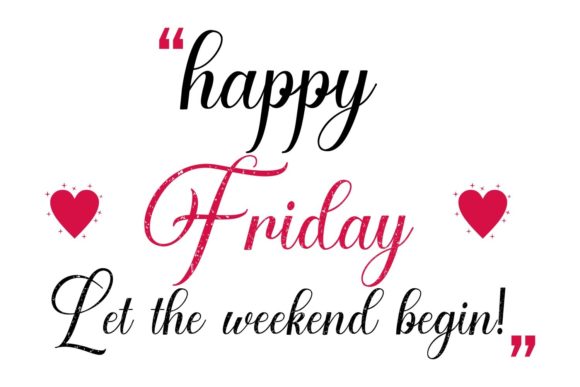
The moment you open the vector file, the visual personality of Happy Friday Quote stands out. It avoids the cluttered, overly ornate style that plagues so many digital products. Instead, it leans into clean lines and readable typography, which is crucial for embroidery project success. In machine embroidery, text is often the hardest element to execute perfectly because every tiny serif or sharp corner becomes a potential snag point.
This design feels like it was built with the end-user in mind. The layout balances negative space with bold lettering, creating a mood that is upbeat but not childish. It strikes a professional yet warm tone, making it suitable for everything from corporate office gifts to casual weekend wear. For an Etsy seller or small business owner, this versatility is gold. You aren't locked into selling only to teenagers; this design appeals to adults who appreciate a touch of humor in their daily accessories.
Real-World Application: Where Does It Fit?
I’ve been thinking about how to best deploy Happy Friday Quote in my own studio, and several high-value use cases immediately come to mind. Let’s look at a few specific scenarios.
- Custom Apparel & Sweatshirts: Imagine a heavyweight heather grey sweatshirt with Happy Friday Quote embroidered across the chest in a contrasting white or pastel thread. The clean vector lines translate beautifully to sweatshirt embroidery, offering a polished look that competes with big-box retail brands. The design’s simplicity allows it to serve as a statement piece without overwhelming the garment.
- Tote Bag Design: Canvas tote bags are a staple for the craft business. Placing this quote centrally on a natural jute or heavy cotton canvas creates an instant bestseller. It’s the kind of item people grab for farmers markets, grocery runs, or beach trips. The vector nature of the file means you can resize it to fit various bag dimensions without losing quality, ensuring your finished product looks consistent whether it’s on a mini-tote or a large shopping bag.
- Kitchen Towels & Aprons: For the home decor niche, this design works exceptionally well on tea towels or linen aprons. The phrase "Happy Friday" carries a specific emotional weight—it signals relief, relaxation, and the start of the weekend. Stitching this onto a kitchen towel in a bright thread color adds a pop of joy to the workspace. It’s a thoughtful personalized gift idea that feels both useful and sentimental.
- Baby Items & Nursery Decor: While the font is generally adult-friendly, if used in softer pastels and smaller sizes, it can work for nursery wall hangings or baby blankets. However, care must be taken to ensure the lettering isn't too small for the delicate fabric.
Technical Performance and Stitch Quality
One of the biggest advantages of receiving this as a vector file is the control it gives you over the final output. Before converting to an embroidery file, you can manipulate the paths to optimize stitch types. For instance, the outlines of the letters could be converted to a fine satin stitch for a crisp edge, while any internal decorative elements might benefit from a fill stitch or running stitch depending on the desired texture.
Stitch density is a critical factor here. Because the original is a vector, you can adjust the density to suit different fabrics. If you’re stitching on a stretchy jersey knit for a t-shirt, you’ll want to reduce the density slightly to prevent puckering. Conversely, for a sturdy denim cap, you can increase the density for a plush, premium feel. This adaptability is what separates a good digital embroidery file from a great one.
When considering thread colors, the design’s open layout allows for creative experimentation. A monochromatic scheme (e.g., navy text on light blue fabric) offers a subtle, sophisticated look, while high-contrast combinations (white on black) make the message pop. Always test your thread colors against your chosen fabric under natural lighting to ensure readability.
Where to Use Caution
Despite its strengths, no design is universal. There are specific situations where Happy Friday Quote requires extra attention or should be avoided entirely.
- Small Hoop Sizes: If you plan to embroider this on very small items like sock cuffs or tiny patches, you must verify that the smallest details remain legible. Tiny lettering in machine embroidery can easily blur together if the hoop size is too small or the stitch length is too short.
- Textured and Stretchy Fabrics: Avoid using this design on highly textured fabrics like boucle or loose-weave knits unless you use a heavy-duty stabilizer. The uneven surface can cause the needle to skip or the threads to break. Similarly, on stretchy fabrics, improper hooping can lead to distortion.
- Dark Fabric Backgrounds: While high contrast is good, dark fabrics can sometimes hide lighter thread details if the design lacks sufficient fill. Always do a test run on scrap pieces of your target fabric.
- Curved Surfaces: Embroidering on caps or curved hat panels requires specialized hoops and techniques. While the vector shape is editable, translating a flat 2D design onto a 3D curved surface can distort the perspective. Plan your placement carefully to avoid stretching the text unnaturally.
Practical Designer Notes for Success
To get the most out of Happy Friday Quote, follow these best practices before committing to a full production run:
- Test on Scrap Fabric: Never assume a design will work perfectly on your final material. Run a sample on the exact fabric type, thickness, and color you intend to use.
- Check Stabilizer Choice: The right stabilizer is just as important as the design itself. For woven fabrics, cut-away stabilizer is usually safest. For knits, tear-away might suffice for lightweight projects, but cut-away provides better long-term durability.
- Inspect Small Details: Zoom in on the vector file. Are there any tiny serifs or intricate curves that might not stitch cleanly? Simplify if necessary by merging overlapping paths or removing unnecessary anchors.
- Black and White Mockups: Convert your design to grayscale to check contrast. If the design looks muddy in black and white, it will likely struggle in color.
- Confirm Licensing: Since this is a vector-based asset, verify the license terms before selling finished goods. Some licenses allow commercial use of physical products, while others restrict digital resale. Clarity here protects your commercial embroidery business from legal issues.
Final Verdict
Happy Friday Quote is a versatile, well-structured design that respects the technical limitations of machine embroidery while delivering strong visual appeal. Its vector format offers the flexibility needed for diverse applications, from custom apparel to handmade product branding. For designers looking to add a reliable, cheerful element to their catalog, this is a solid addition. Just remember: the magic happens in the preparation. Test thoroughly, choose your materials wisely, and let the quality of your execution speak for itself.