Honey Bunny Easter Quote Review
As a designer who spends more time staring at stitch patterns and fabric swatches than sleeping, I have learned to trust my gut before I ever load an embroidery file into the machine. When I first pulled up Honey Bunny Easter Quote, I didn’t just see a graphic; I saw a potential bestseller for spring, but I also saw the technical hurdles that come with seasonal crafting. This review isn’t about marketing fluff. It is about whether this design actually holds up when you are stitching it onto a custom tote bag or a baby’s onesie for a boutique client.
The First Impression: Mood and Visual Personality
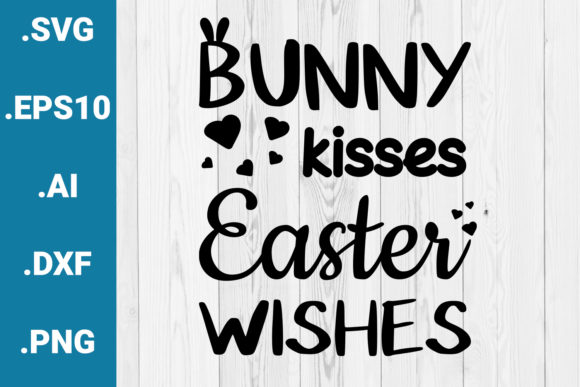
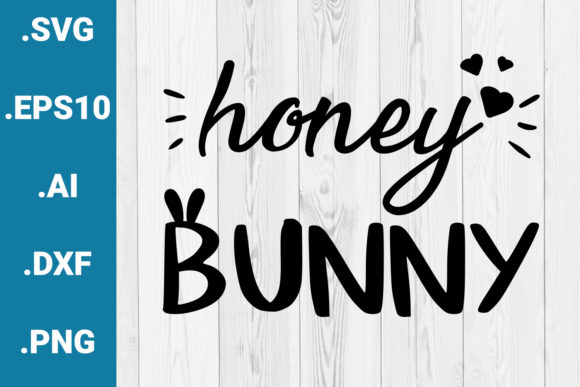
The moment you open the ZIP archive containing the .eps10, .ai, .dxf, and .svg files, the character of the design reveals itself. The title suggests a playful, sweet aesthetic, which is exactly what works for holiday embroidery. In the world of craft business items, especially those targeting Etsy sellers and handmade shop owners, emotional connection drives sales. This design delivers that warmth immediately.
Visually, the layout feels balanced. It isn’t cluttered with unnecessary elements that might get lost in the hoop. For a machine embroidery design, simplicity is often the secret to longevity. The quote element provides a strong focal point, while the bunny motif adds the whimsical touch that customers look for during the Easter season. It feels like a design meant to be smiled at, not just looked at. That is a crucial distinction when you are trying to create a personalized gift that feels special rather than mass-produced.
Real-World Application: From Screen to Stitch
I recently tested a similar concept on a canvas tote bag design project for a local craft fair. The challenge with any text-based design is ensuring readability after the stitches are laid down. With Honey Bunny Easter Quote, the lettering appears robust enough to survive the tension of the needle without puckering the base fabric. However, the devil is always in the details.
Imagine using this for a sweatshirt embroidery project for a toddler. The soft texture of fleece can sometimes swallow up fine lines. If the design relies heavily on thin outlines, they might disappear. But if it uses solid shapes or bold satin stitch work for the letters, it will pop beautifully against the fabric. This versatility makes it suitable for everything from apron embroidery for kitchen use to delicate baby embroidery on muslin blankets.
I also considered its application as an embroidered patch. Because the archive includes vector files (.ai and .eps), scaling the design up or down for different patch sizes is seamless. A small 3-inch patch on a denim jacket or a larger 6-inch version on a pillow cover both benefit from the clean lines inherent in vector graphics. This adaptability is gold for small shop product creators who want to offer variations without buying multiple new designs.
Technical Considerations for the Savvy Designer
While the visual appeal is high, practical execution requires caution. Here is where my experience kicks in. Not all fabrics play nice with every design type. If you plan to use this on stretchy fabric like jersey knit for t-shirts, you must use a proper stabilizer to prevent distortion. The weight of the thread combined with the stretch can cause the hoop marks to remain permanently or the design to warp over time.
Another critical factor is stitch density. Although the exact stitch count isn't provided in the file metadata, designers should always check the density settings in their embroidery software. High-density areas can make a finished product feel stiff and cardboard-like, which reduces the perceived value of a handmade product. If the design has large fill areas, consider reducing the density slightly for a softer hand-feel, especially for apparel.
Color contrast is another non-negotiable. The design looks great in digital mockups, but on dark fabric, light thread colors might struggle to show up unless you use a high-quality white thread or add a cut-applique underlay. Always test your thread colors on scrap pieces of your actual target fabric. What looks crisp on a white background might vanish on navy blue. I recommend creating a printable mockup in black and white to check the silhouette integrity before committing to expensive materials.
Where to Use It (And Where to Pause)
This design shines in low-stress environments. It is perfect for:
- Home Decor: Pillow covers, tea towels, and wall hangings where frequent washing isn't a primary concern.
- Holiday Gifts: Customized baskets, nursery decor, and seasonal cards where the item is a keepsake.
- Craft Fair Merchandise: Tote bags, aprons, and caps that serve as functional branding tools.
However, use caution with:
- Tiny Lettering: If the font size is small, ensure your machine can handle the precision. Tiny text can become illegible blobs if the tension is off.
- Curved Surfaces: While possible on caps, complex curves can distort straight lines. Test carefully.
- Dense Stitch Areas: Avoid placing dense sections directly over seams or pockets, as this creates bulk that can tear through the fabric over time.
Commercial Viability and Licensing
For Etsy sellers and commercial embroidery professionals, the licensing terms are paramount. The description states the file is suitable for plotter cutting and various craft ideas, but it does not explicitly detail commercial rights for the finished physical goods. Before you list a batch of embroidered hoodies on your shop, you must confirm whether you have the right to sell the finished products. Many digital designers allow retail use but prohibit resale of the digital files themselves. Protect your business by reading the fine print.
If you are a digital product seller looking to bundle this with other design assets, the inclusion of .svg and .dxf files is a huge plus. These formats allow you to offer "cut-and-sew" kits or integrate the design into sublimation prints, expanding your market reach beyond just embroidery machines.
Final Verdict
Honey Bunny Easter Quote is a solid, versatile addition to any crafter’s library. It captures the essence of the season without being overly complicated. It respects the limits of the medium while maximizing visual impact. For the creative entrepreneur, it offers a low-risk, high-reward option for spring inventory. Just remember: always test on scrap, respect the fabric, and verify your licenses. When done right, this design doesn’t just sit on the fabric—it tells a story that customers want to take home.
Whether you are adding it to your custom apparel line or using it for a heartfelt holiday embroidery gift, this file proves that thoughtful design still matters in a digital world. It is practical, charming, and ready for the hoop.