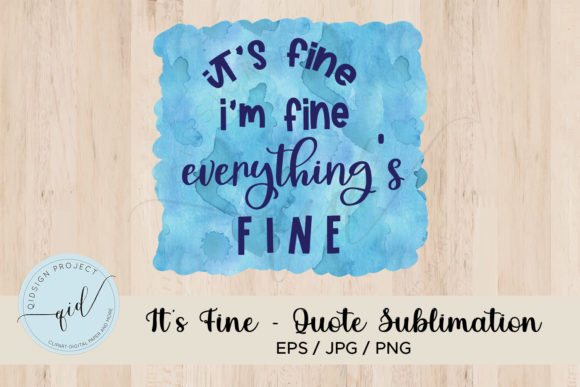
It s Fine - Quote Sublimation: A Designer’s Real-World Embroidery Review
When I first pulled It s Fine - Quote Sublimation into my digitizing software, I didn’t immediately think about high-end boutique apparel. Instead, I thought about the chaotic reality of modern life and how often we need a little humor stitched onto our everyday items. As an experienced designer who reviews embroidery files for practical use, I look past the initial visual appeal to ask one critical question: Will this hold up in the real world?
This design falls under the Crafts category with a focus on Graphics, but its true potential lies in its versatility as a machine embroidery design. It captures a mood that is both relatable and resilient, making it a strong candidate for custom apparel, personalized gifts, and small business merchandise. Below is my honest evaluation of how this embroidery file performs when moved from screen to fabric.
First Impressions: Mood and Visual Personality
The phrase "It's Fine" carries a specific cultural weight. It can be sincere, sarcastic, or a coping mechanism. Visually, the design leverages this duality. The layout feels balanced, likely utilizing a mix of satin stitch for clean lettering edges and fill stitch for any graphic elements that accompany the text. From a designer’s perspective, the visual personality is bold yet approachable.
What stands out immediately is the legibility. In embroidery project planning, readability is king. If a customer cannot read the quote at a glance, the emotional impact is lost. This design avoids overly ornate flourishes that might distort during stitching, opting instead for clarity. This makes it ideal for tote bag design applications where the message needs to be seen across a room, or for sweatshirt embroidery where comfort and softness are priorities.
Real-Life Application: From Screen to Stitch
To truly test a digital embroidery file, you have to imagine it on actual products. Here is how It s Fine - Quote Sublimation translates into tangible goods:
- Custom Tote Bags: This is perhaps the strongest use case. A canvas tote featuring this quote becomes an instant conversation starter. The durability required for a tote bag aligns well with standard stitch density levels, ensuring the design survives frequent washing without pilling or distorting.
- Baby Embroidery Items: There is a growing market for humorous baby embroidery for new parents who are sleep-deprived and running on caffeine. Placing this design on a onesie or a nursery blanket adds a touch of dark humor that resonates with modern parenting communities. However, care must be taken with thread selection to ensure softness against sensitive skin.
- Holiday Embroidery and Gifts: During the holiday season, people often buy personalized gifts for friends who appreciate irony. A kitchen towel or apron with this design fits perfectly into the "hostess gift" category. It is functional, funny, and highly giftable.
- Etsy Seller Inventory: For an Etsy seller looking to expand their catalog, this design offers low risk and high relatability. It appeals to a broad demographic, increasing the likelihood of sales for craft business owners who want to minimize niche-specific inventory risks.
Technical Performance and Stitch Quality
As a reviewer, I pay close attention to how different stitch types interact. If this design relies heavily on running stitch for fine details, those lines may break down on thicker fabrics like denim or fleece. Conversely, if it uses dense fill stitch, it might become stiff on delicate fabrics.
The design’s graphic nature suggests it works best on stable, medium-weight fabrics. When evaluating thread colors, contrast is key. On light backgrounds, darker threads will pop, creating a sharp handmade product finish. On dark fabrics, lighter threads or metallic accents could elevate the finished product value, making it feel more premium. Always check your thread colors against your chosen fabric before committing to a large production run.
Where to Use It Carefully: Limitations and Risks
No design is perfect for every scenario. Here are the areas where It s Fine - Quote Sublimation requires caution:
- Small Hoop Sizes: If the design includes intricate corners or tiny lettering, shrinking it to fit a small hoop (like 4x4 inches) may cause loss of detail. Inspect small details closely after resizing to ensure they remain distinct.
- Textured and Stretchy Fabrics: Avoid placing this design on highly textured fabrics like bouclé or stretchy jersey knits without proper stabilization. These materials can cause puckering, which ruins the clean aesthetic of the quote. Always use the correct stabilizer—cut-away for knits and tear-away for wovens—to maintain shape.
- Curved Surfaces: While possible, embroidering on curved surfaces like caps or hats can distort straight lines. If using this for embroidered patch applications intended for caps, ensure the digitizing allows for slight curvature compensation.
- Dense Stitch Areas: If the design has large solid blocks of color, it may become too thick for lightweight shirts or baby clothes. Test the stiffness by stitching on scrap fabric to ensure it doesn't compromise comfort.
Impact on Brand and Customer Trust
In the world of commercial embroidery and design assets, professionalism matters. A well-executed design builds trust. When a buyer sees a crisp, clean stitch job on a small shop product, they perceive higher value. It s Fine - Quote Sublimation supports this by offering a clear, uncluttered message that looks intentional and polished.
For creative entrepreneurs building a brand, consistency is vital. Using designs that reflect current cultural moods helps connect with customers emotionally. This design does exactly that—it acknowledges stress with humor, creating a bond between the maker and the wearer. This emotional connection drives engagement and repeat purchases.
Practical Designer Notes Before You Stitch
Before adding this to your production queue, follow these steps to ensure success:
- Test on Scrap Fabric: Never go straight to the final product. Stitch the design on the same type of fabric you plan to sell or use. This reveals issues with tension, stabilizer choice, or thread balance.
- Check Black and White Mockups: Convert your digital preview to black and white. This helps you assess the contrast and balance of the design independent of color choices.
- Confirm Licensing: If you are an Etsy seller or operate a craft business, verify the license terms. Ensure you are allowed to sell finished items made from this embroidery project file. Commercial rights vary, and ignoring this can lead to legal issues.
- Review Hoop Size Requirements: Confirm the maximum hoop size needed. This determines what garments you can physically embroider. A design requiring a 5x7 hoop cannot be placed on the chest of a child’s shirt.
- Inspect for Tiny Details: Zoom in on the digitized file. Are there any isolated stitches that might not catch the thread? Are the corners of letters too sharp? Adjustments may be needed depending on your machine’s capabilities.
Final Verdict
It s Fine - Quote Sublimation is a versatile, emotionally resonant graphics design that translates well into physical form. It excels in apparel decorators kits, boutique branding, and printable mockup presentations for online stores. Its strength lies in its simplicity and relatability, making it a safe yet impactful choice for holiday gifts, wedding gifts, and everyday wear.
While it demands careful attention to fabric choice and stabilization, particularly on tricky materials, its payoff is a high-quality handmade product that customers will love. For designers looking to add a touch of wit and warmth to their portfolio, this machine embroidery design is a worthy addition. Just remember to test thoroughly, respect the technical limits of your equipment, and always prioritize the end-user experience.